Ouro Preto & Mariana
January 6, 2015
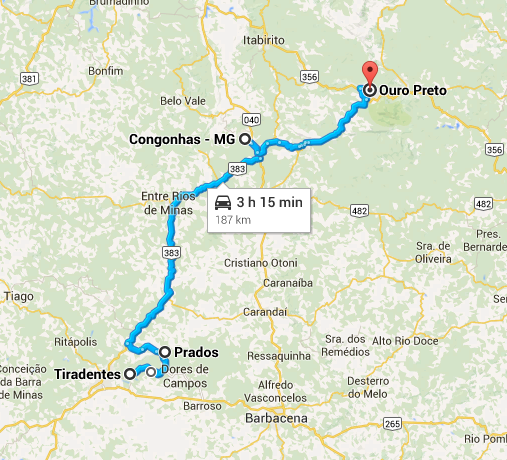
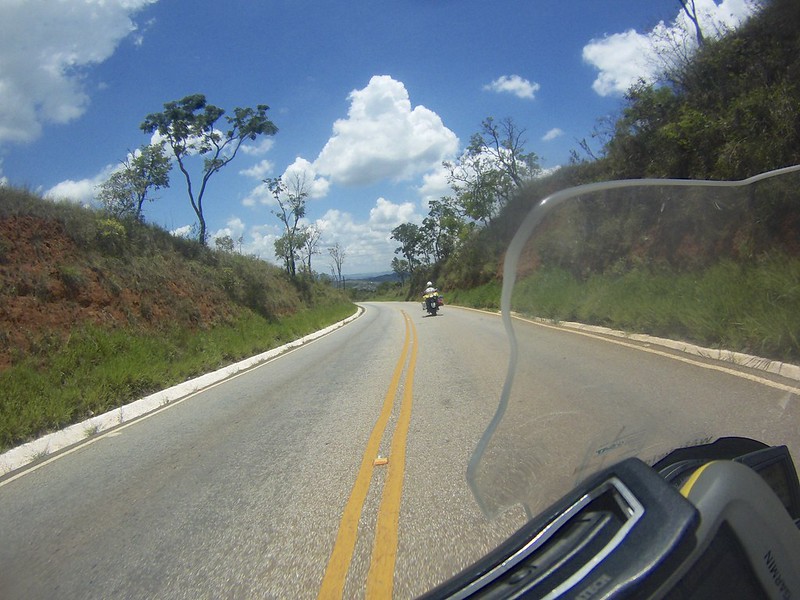
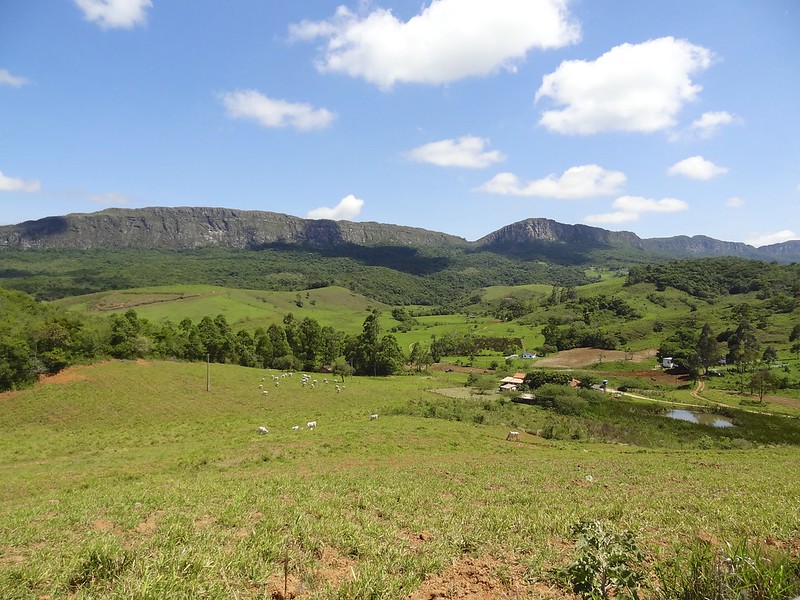
Today we headed north and west again for another 187 km of winding roads with stunning scenery to Ouro Preto.
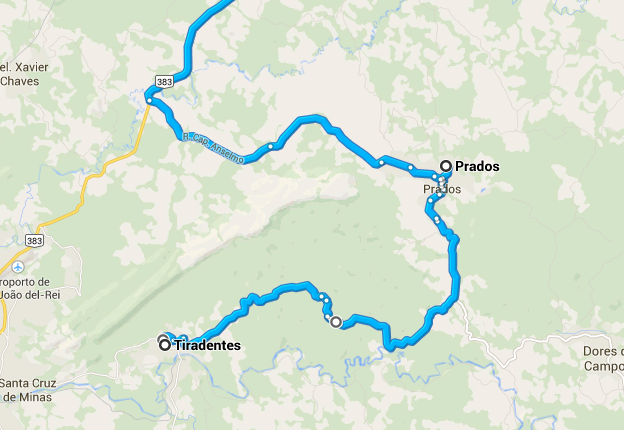
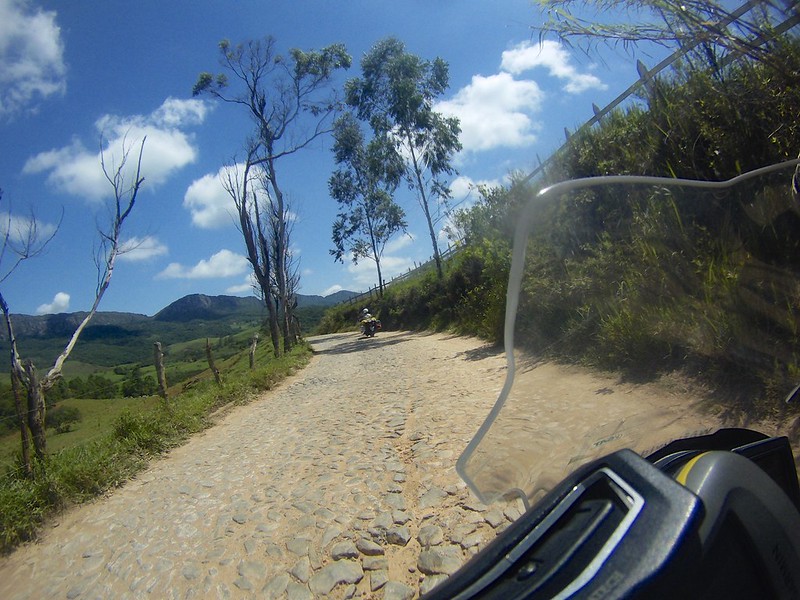
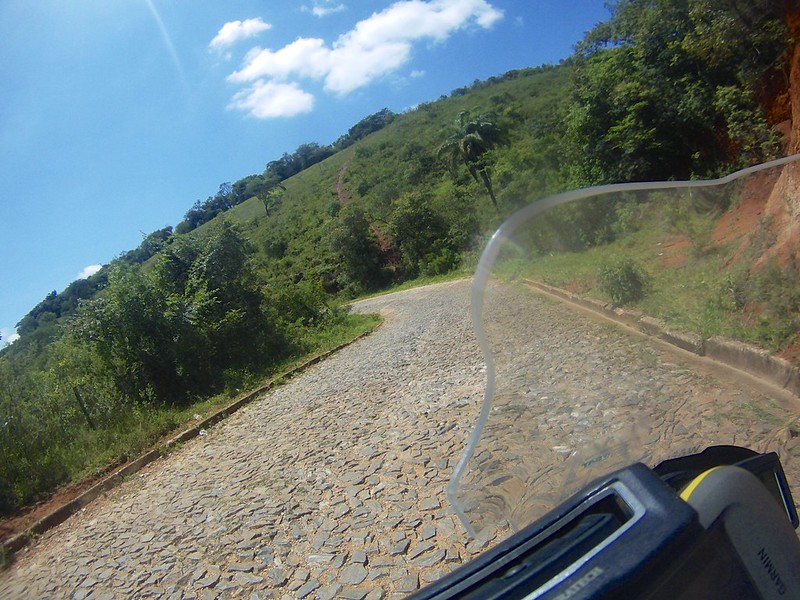
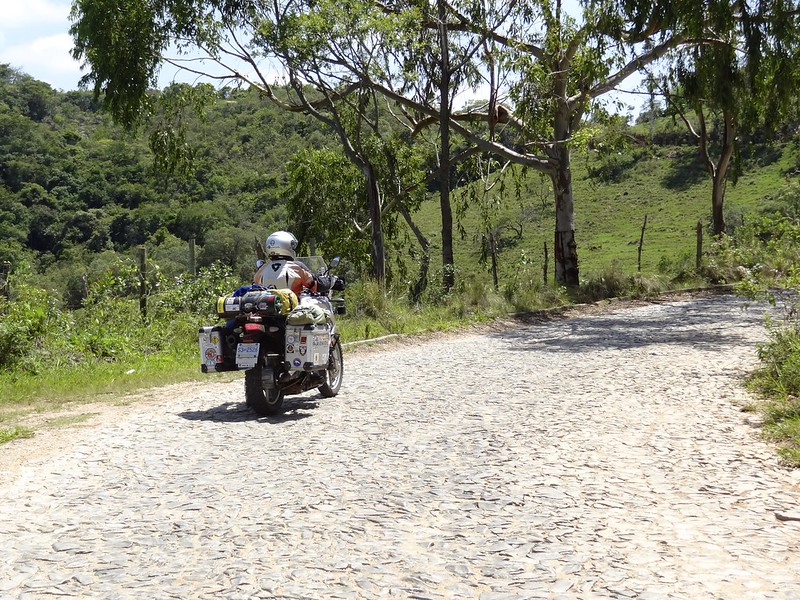
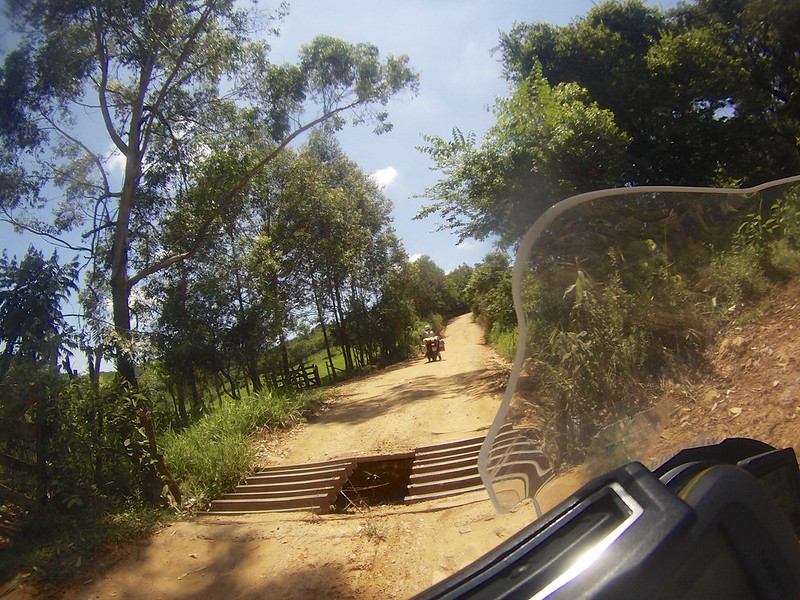
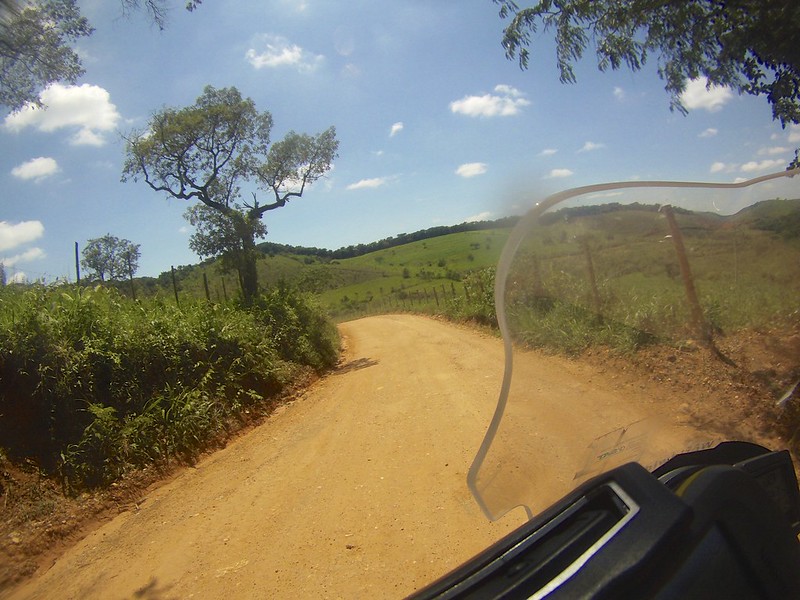
Leaving Tiradentes we took the back way thru Prados. This way is partly cobbles and partly packed red dirt.
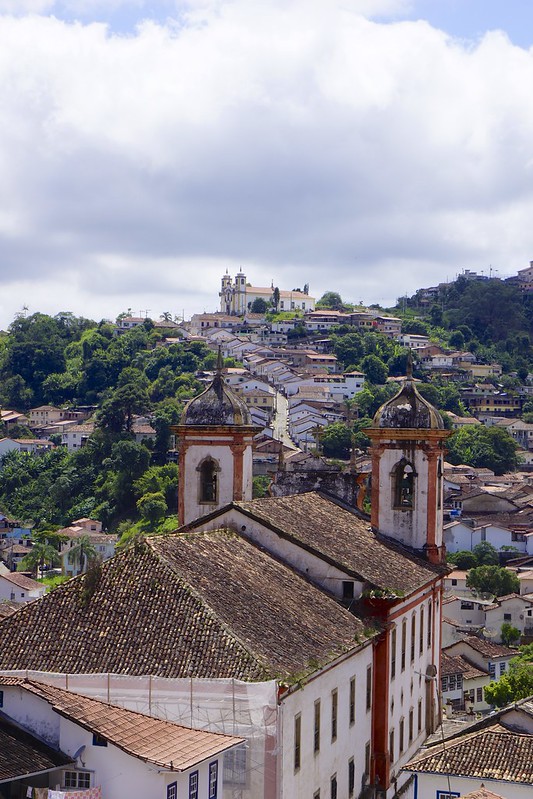
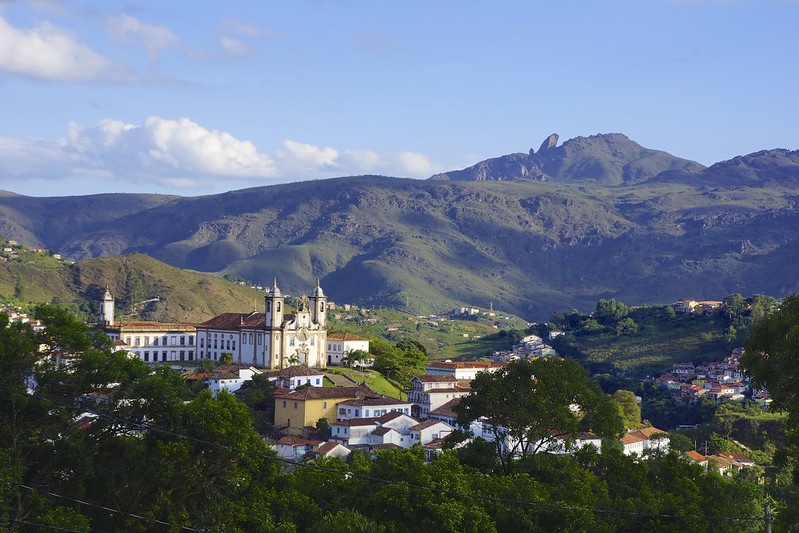
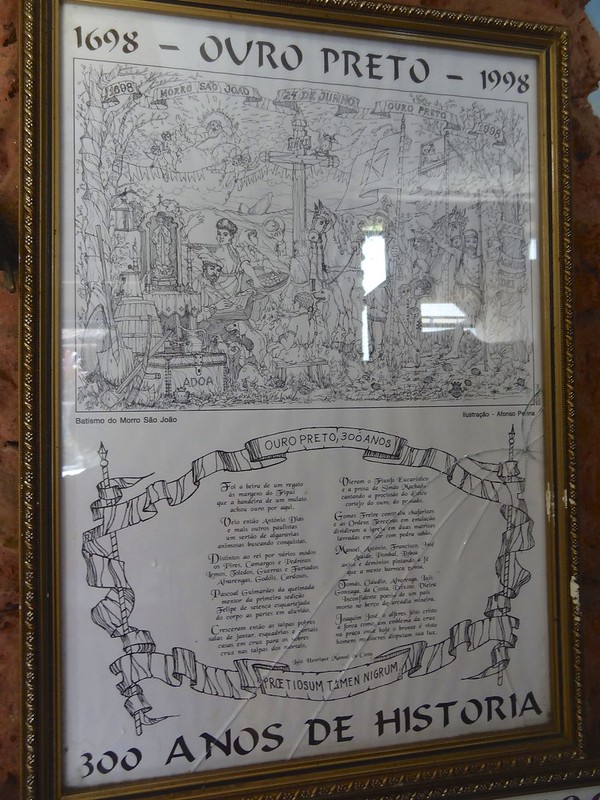
We are going to one of the most visited places in Brazil the city of Ouro Preto. It is one of Brazil’s best-preserved colonial towns and is a UNESCO site. Ouro Preto means “black gold” and was founded in 1698 as the center of the gold rush and in 1720 it became the state capital (it had been nearby Mariana). In 1750 it had over 110,000 people making it one of the largest cities in the Americas. At the time it had twice the population of NCY and five times more than the now massive Rio de Janeiro.
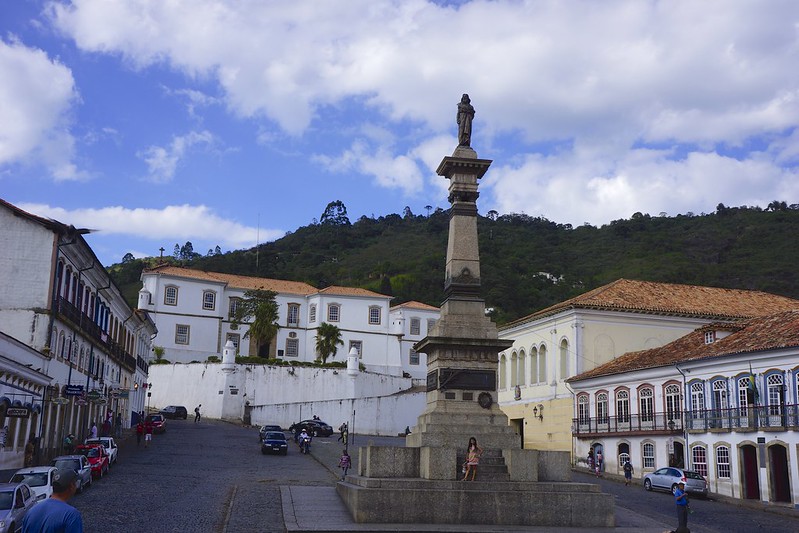
All this lead to the city being the site of the first uprising for independence from Portuguese rule. The revolt was lead by Tiradentes in 1789 after he realized how much of the region’s gold was going straight onto boats to Portugal. The revolt failed and Tiradentes was arrested and dismembered. His body parts were then displayed along the road to Rio. His head was placed in what is now known as Praca Tiradentes or the main square.
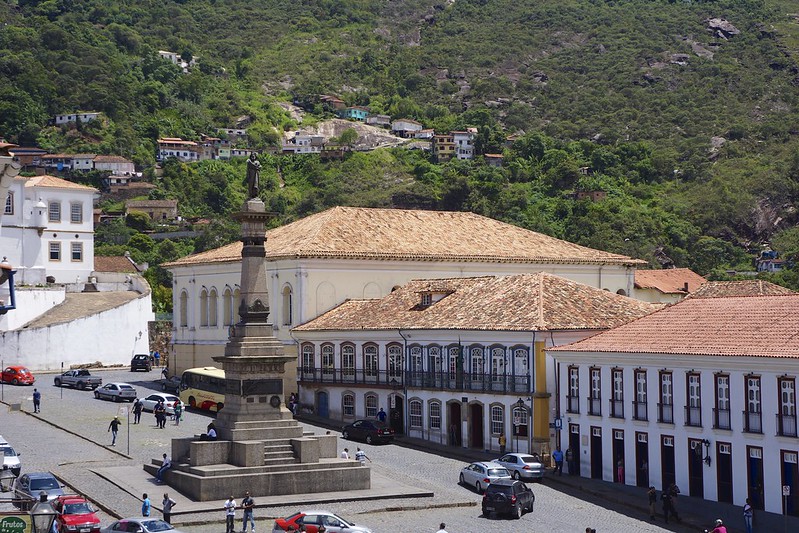
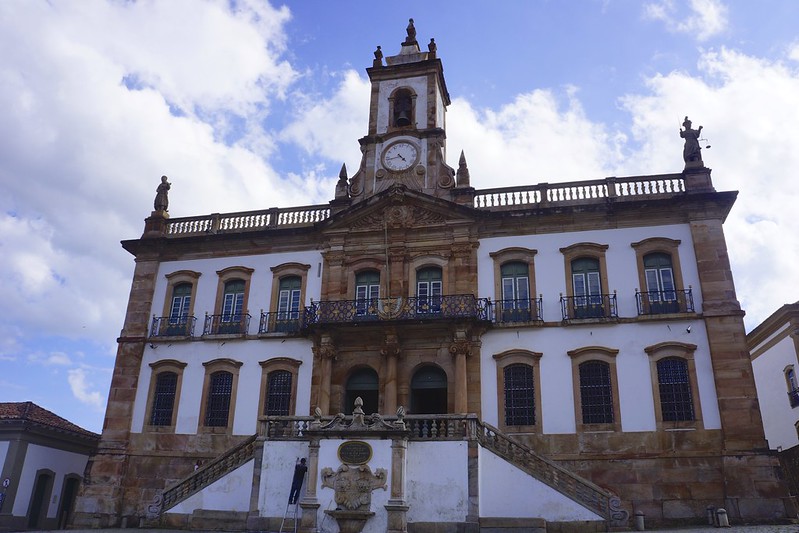
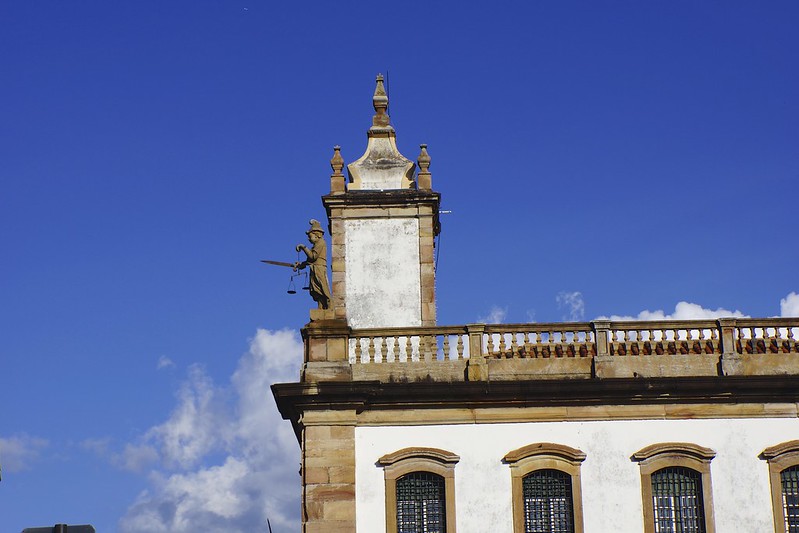
By the end of the 19 th century the gold had run out and the population plummeted. Because of this there was a lack of new construction and thus the colonial architecture was preserved. Restoration began in the 1950 and still continues.
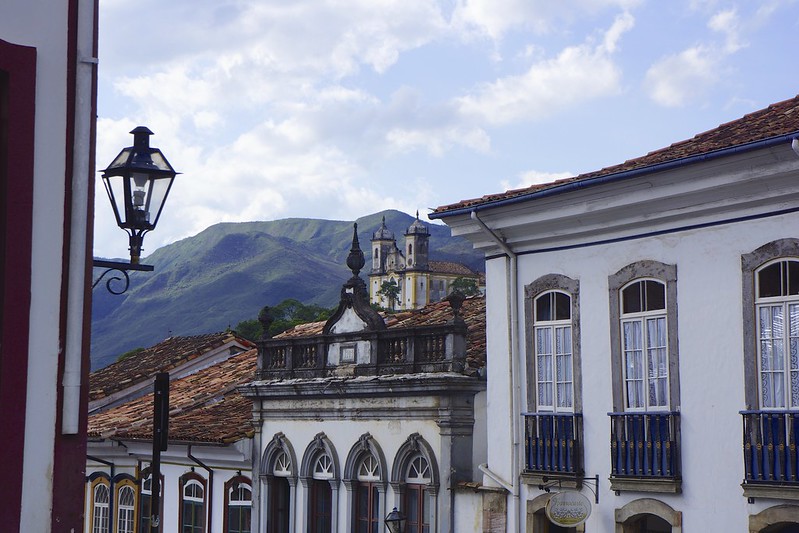
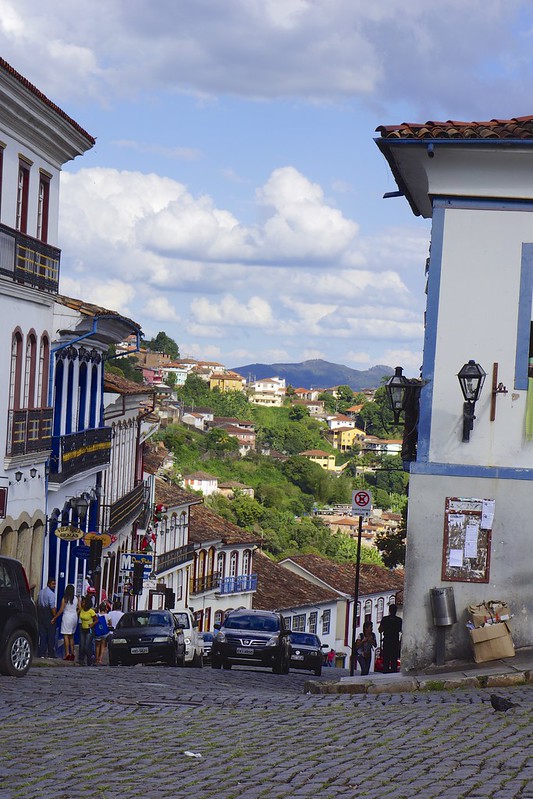
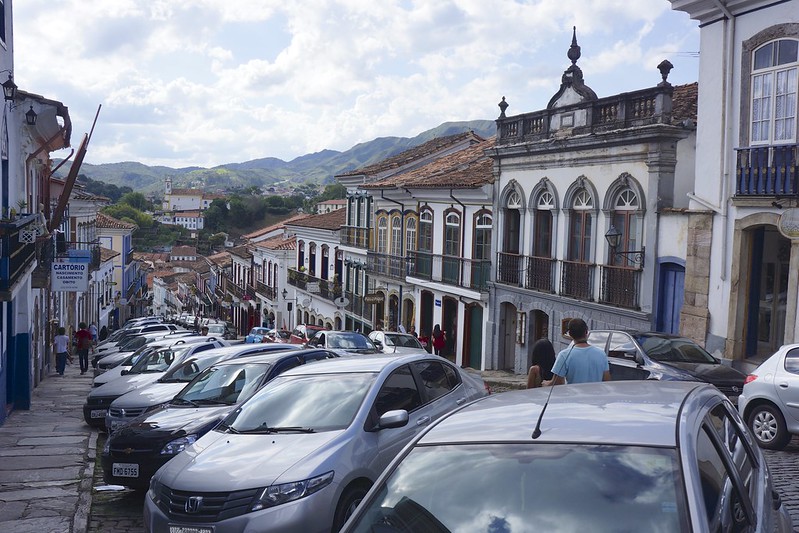
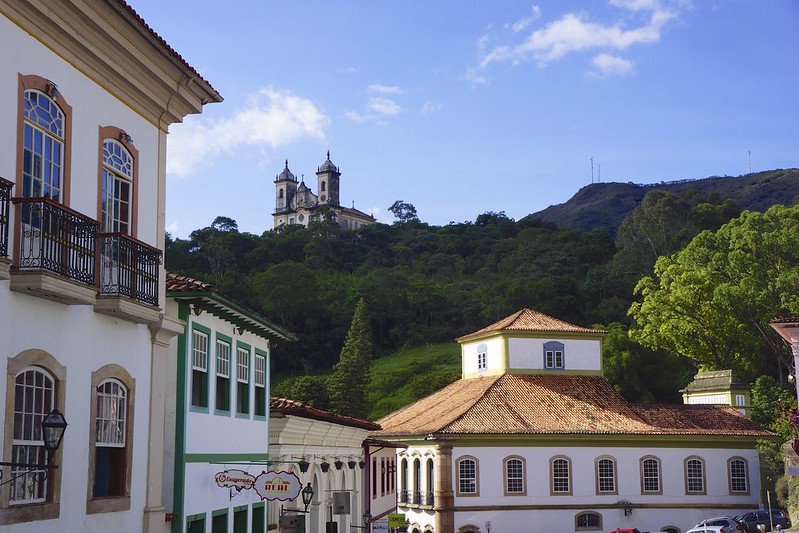
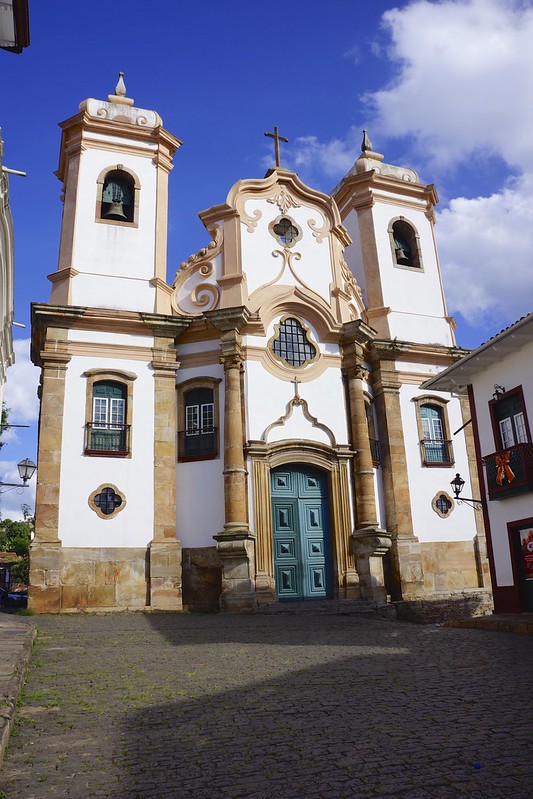
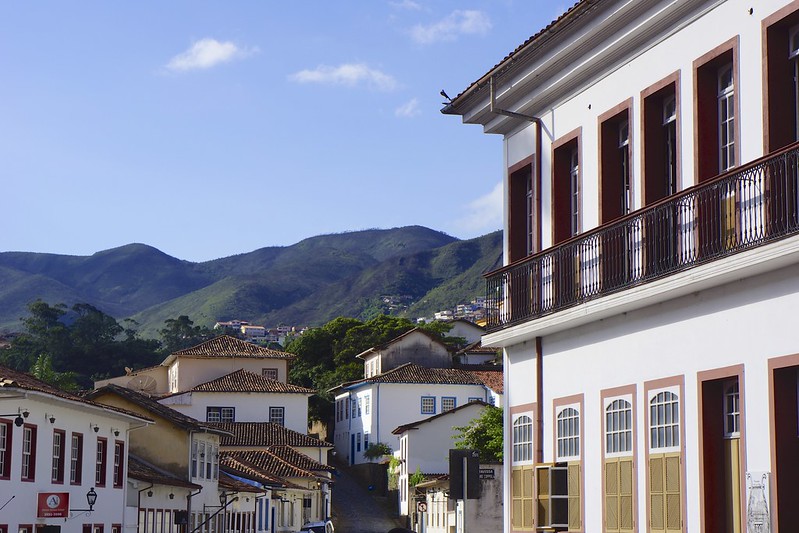
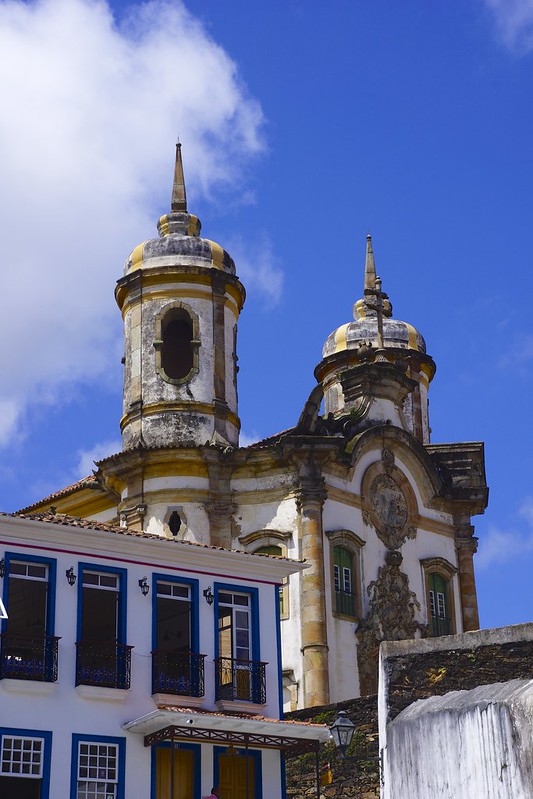
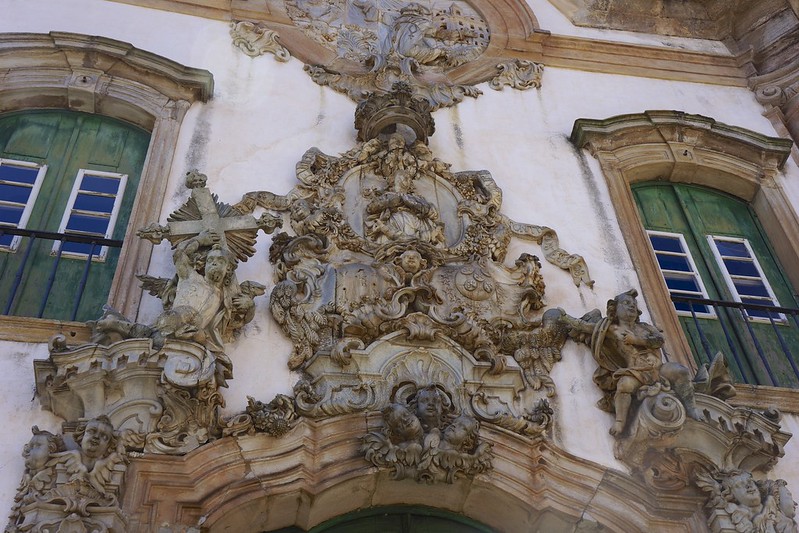
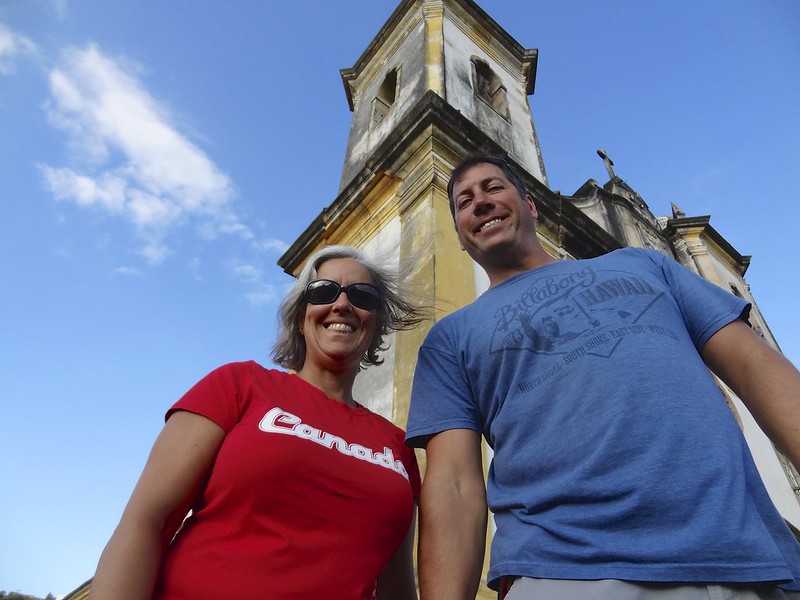
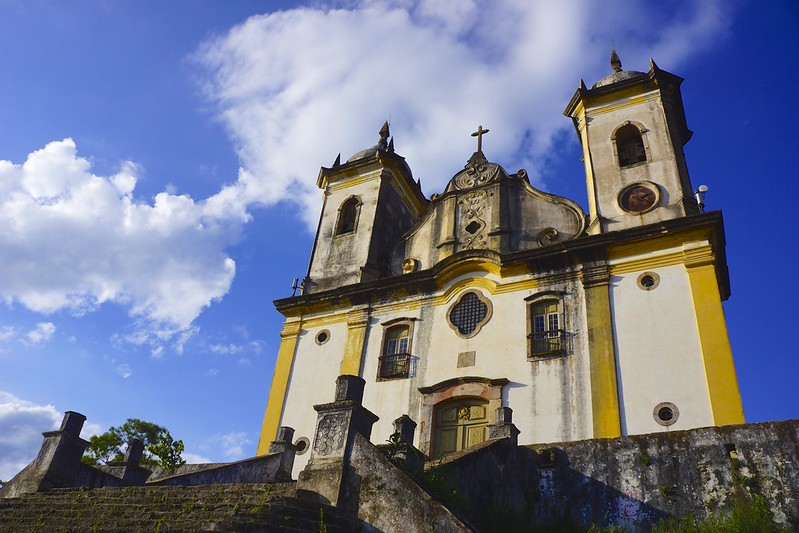
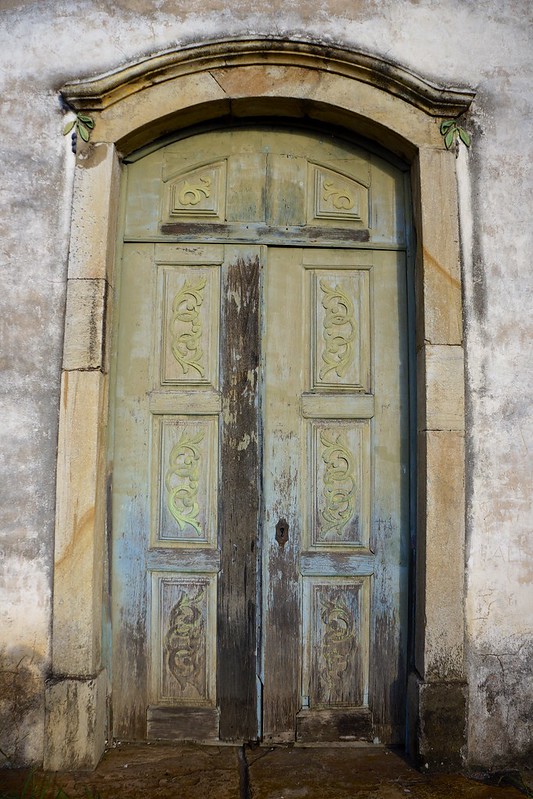
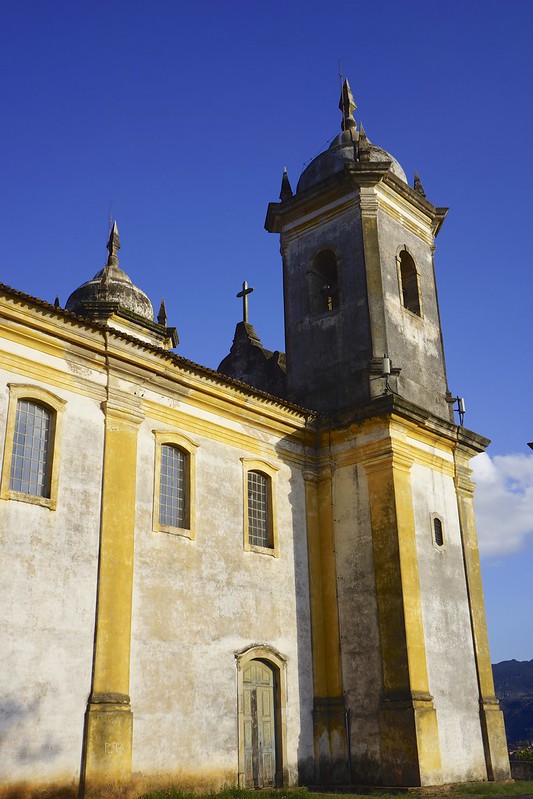
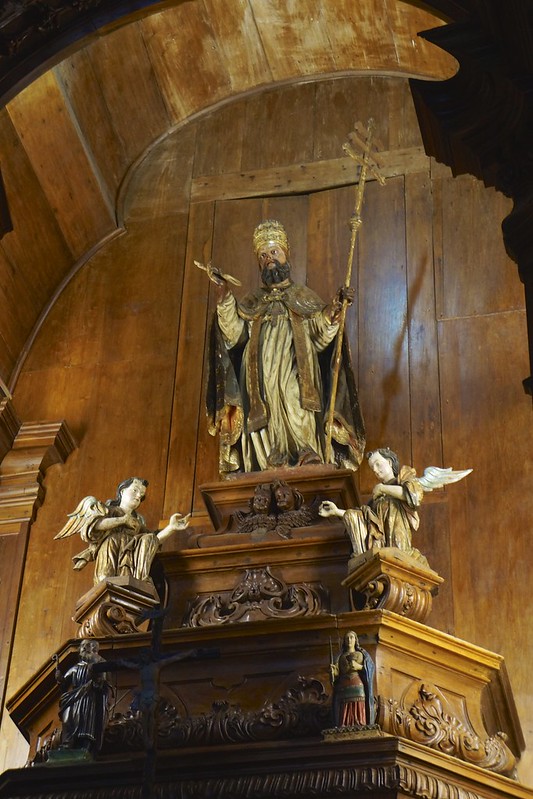
The draw here for tourists is the architecture and especially the churches. They contain many carved sculptures by Antonio Fracisco Lisboa or Aleijadinho ( little cripple), who is one of the countries most famous artists. He was a master of the baroque, but was disabled likely by leprosy. When he lost his fingers he strapped tools to his hands.
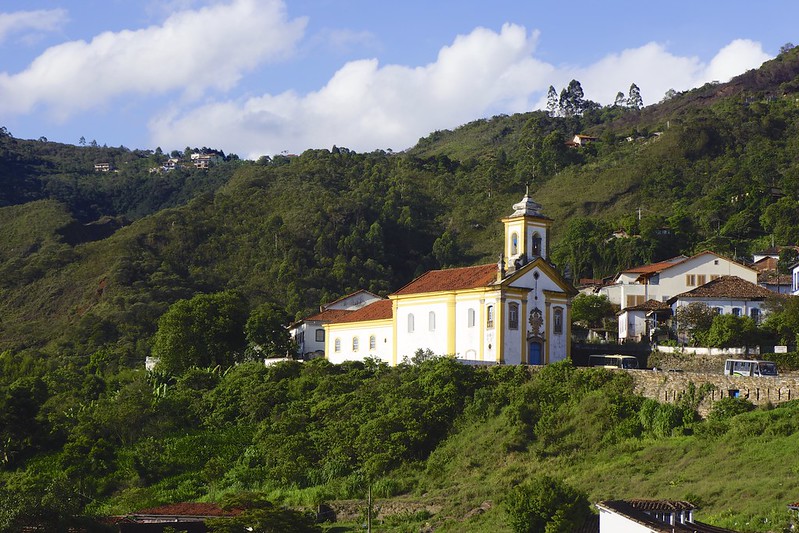

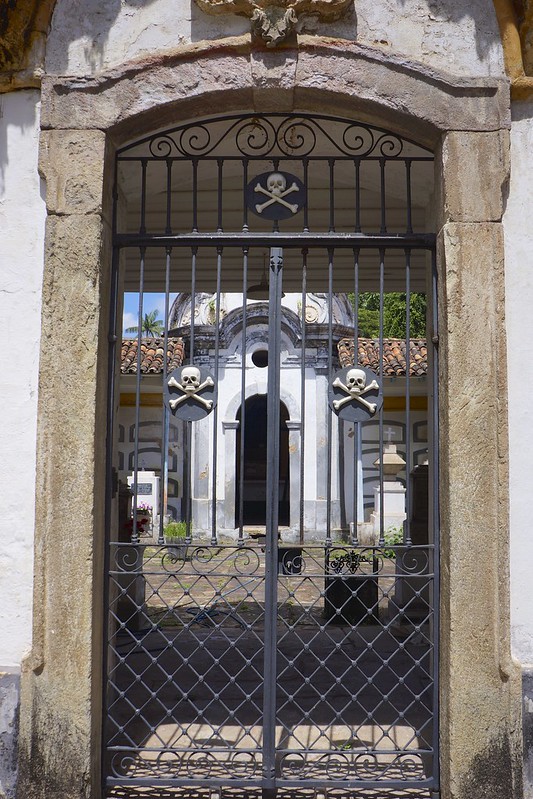
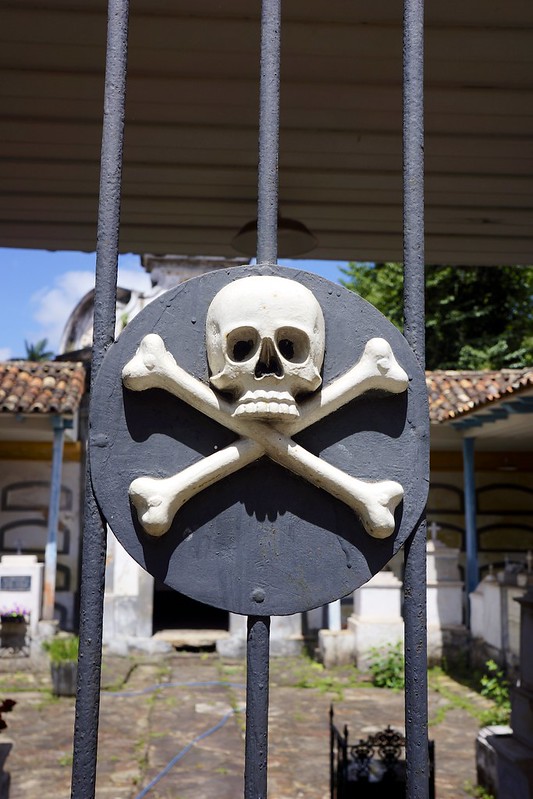
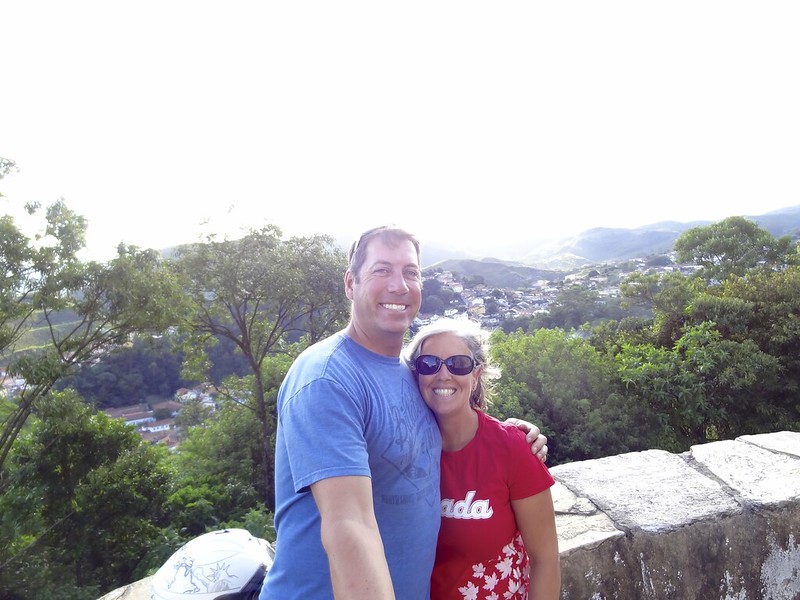
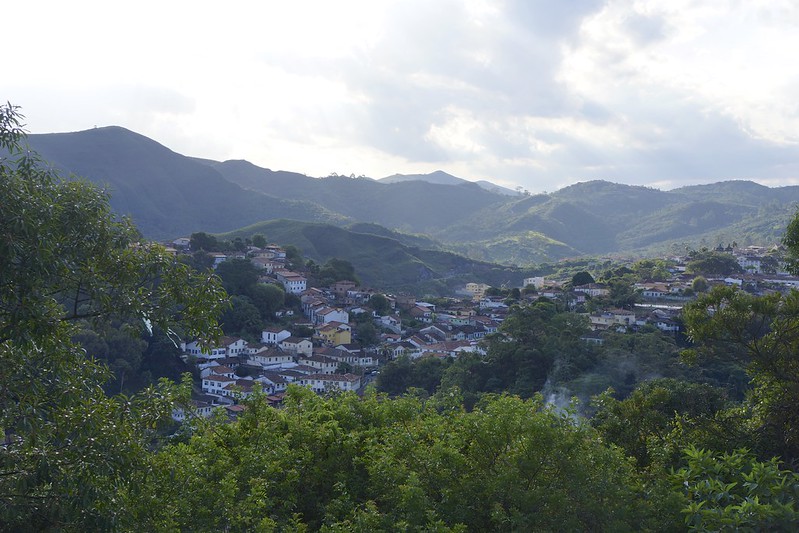
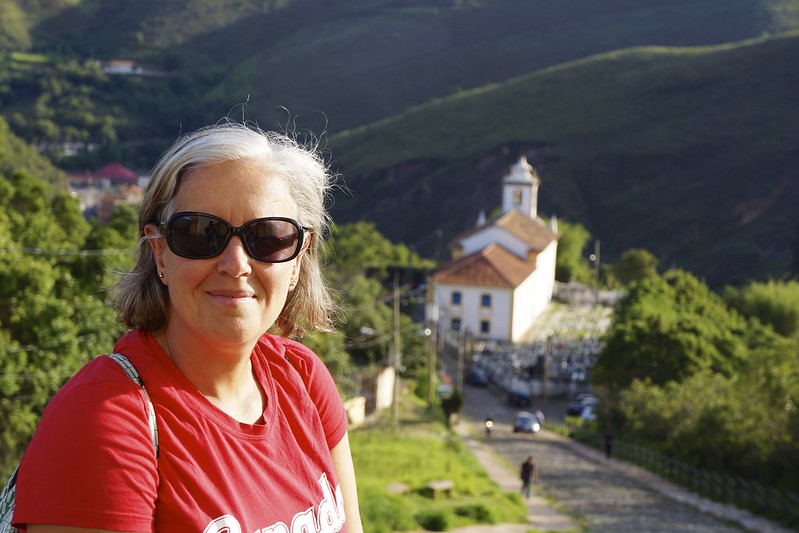
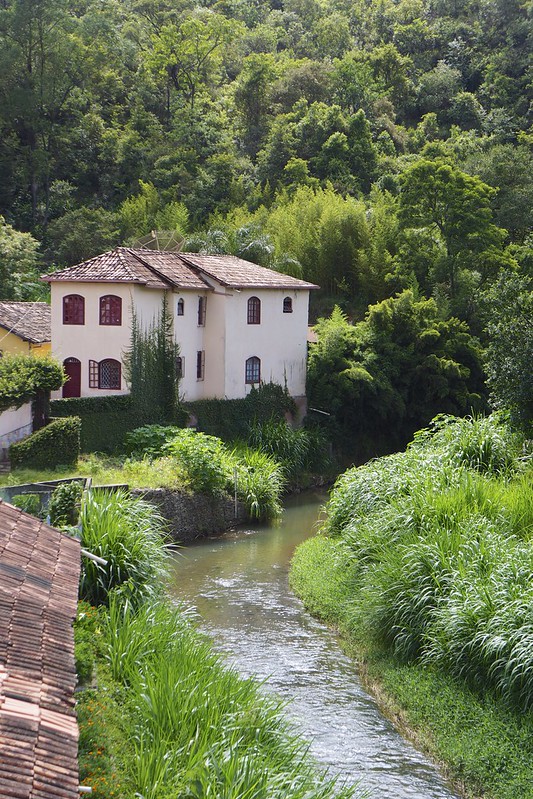
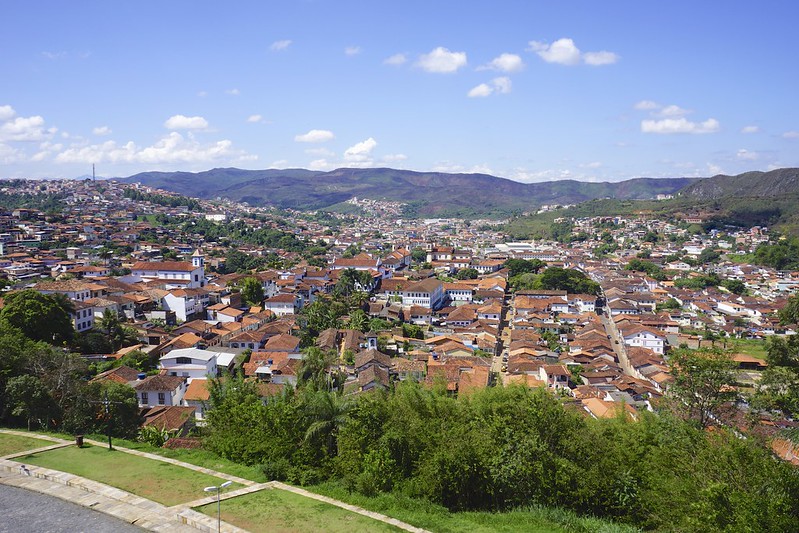
The view of this small city is stunning. We stayed on the hillside opposite to enjoy the view and avoid too much driving on the very steep windy streets some of which have very large cobbles. Some of the streets are at an incredible angle and are very rough.
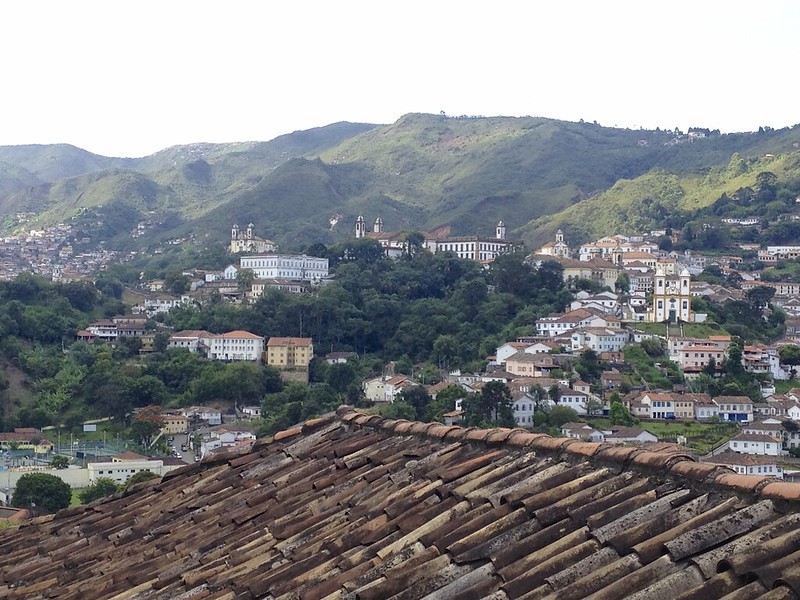
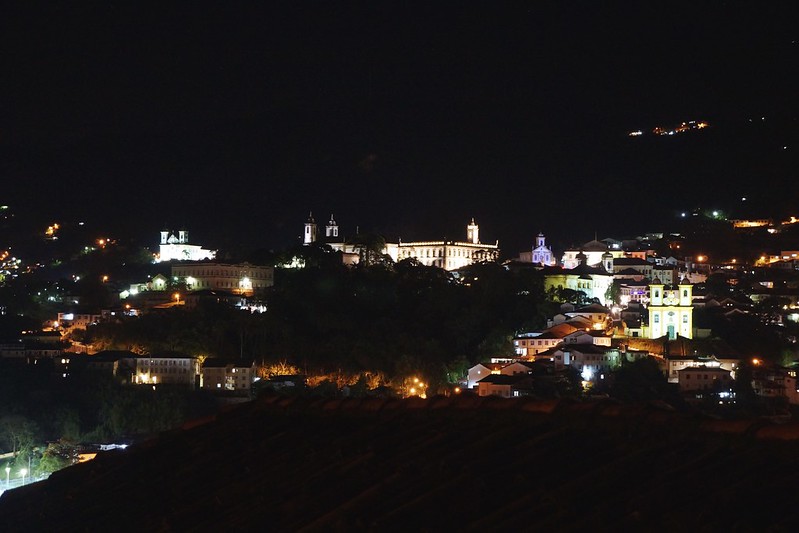
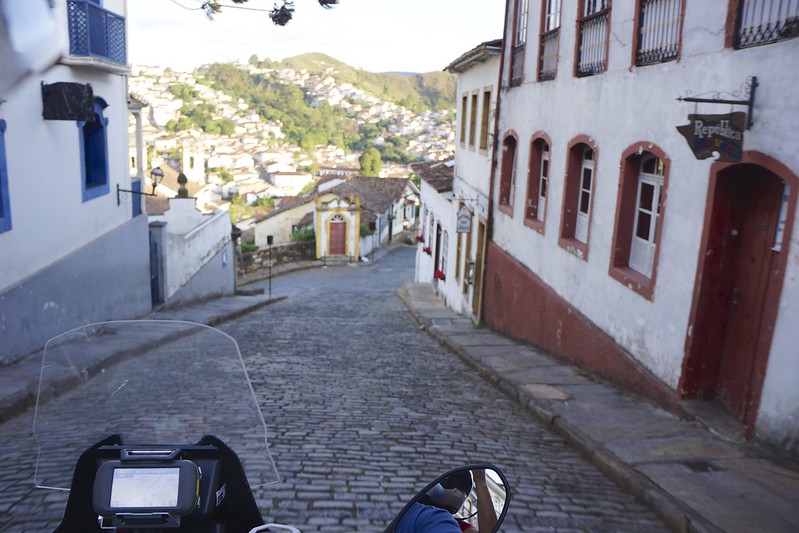
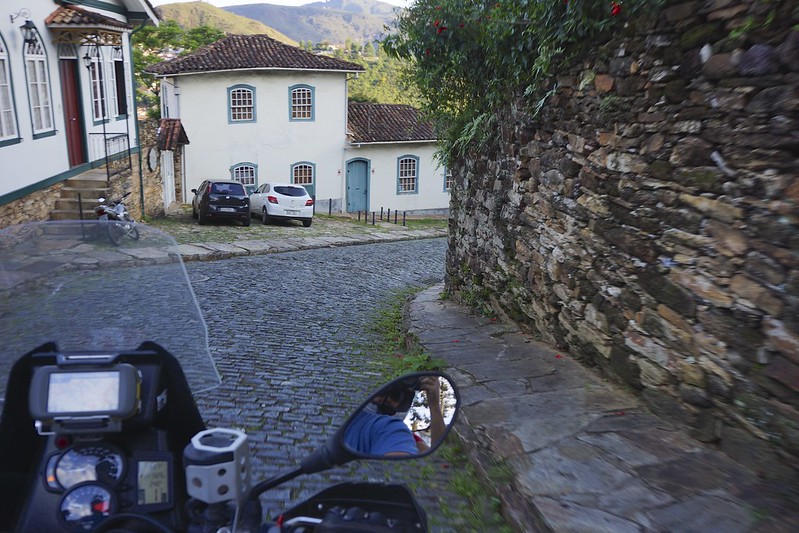
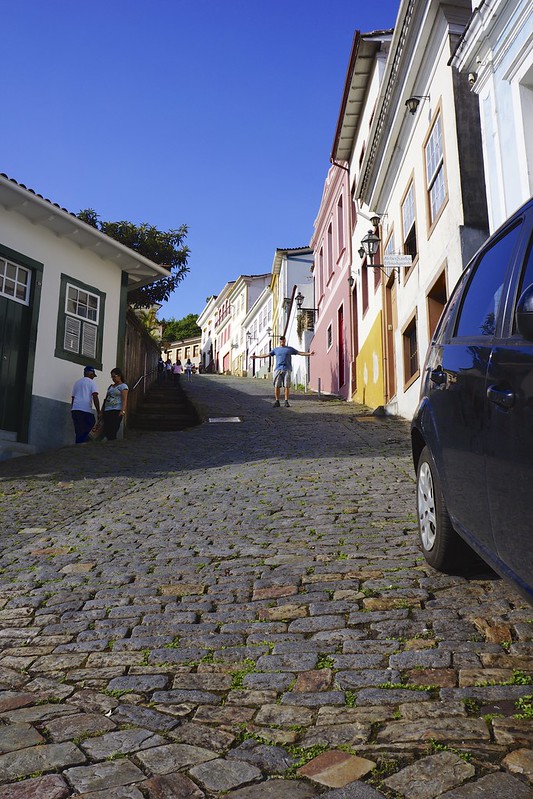
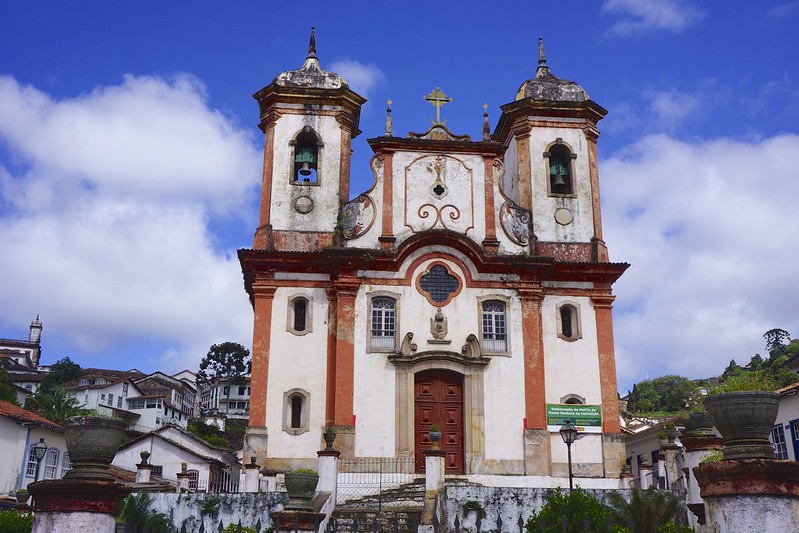
We did however ride over to the main or Tirandentes square and then explore the city on foot. There is a church in almost every direction you look.
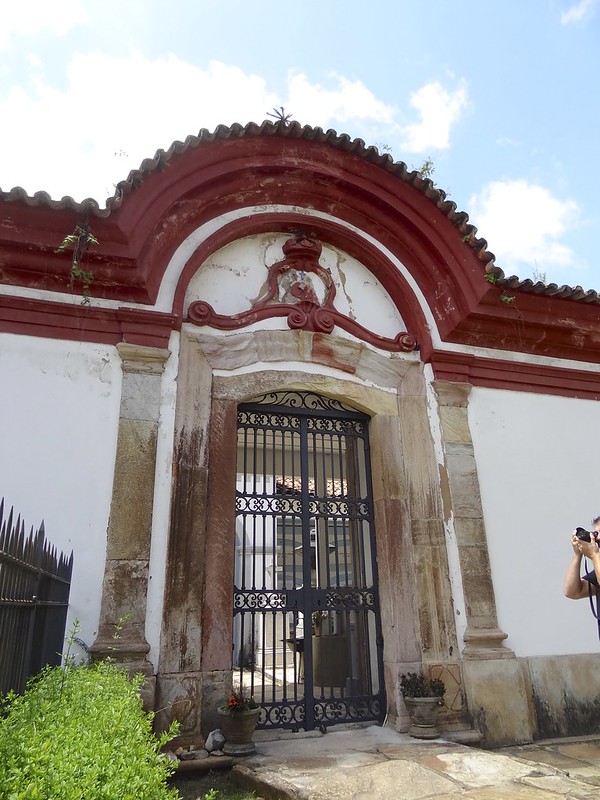
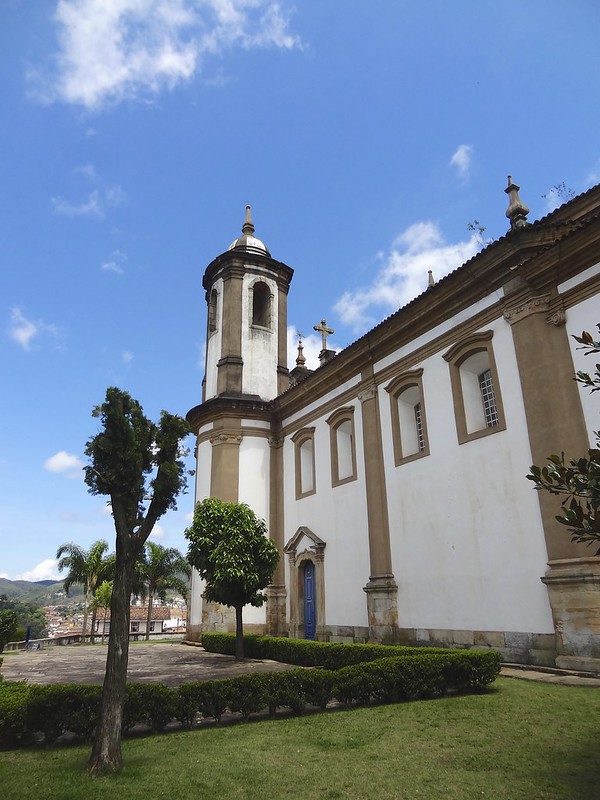
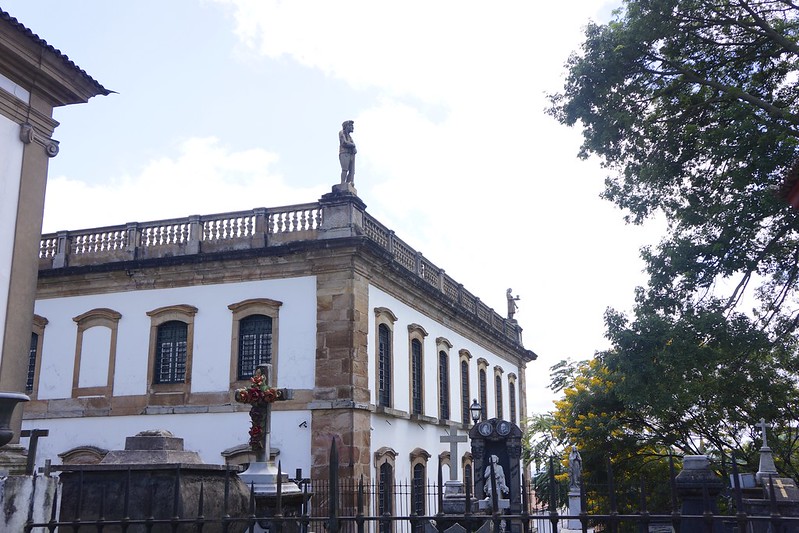
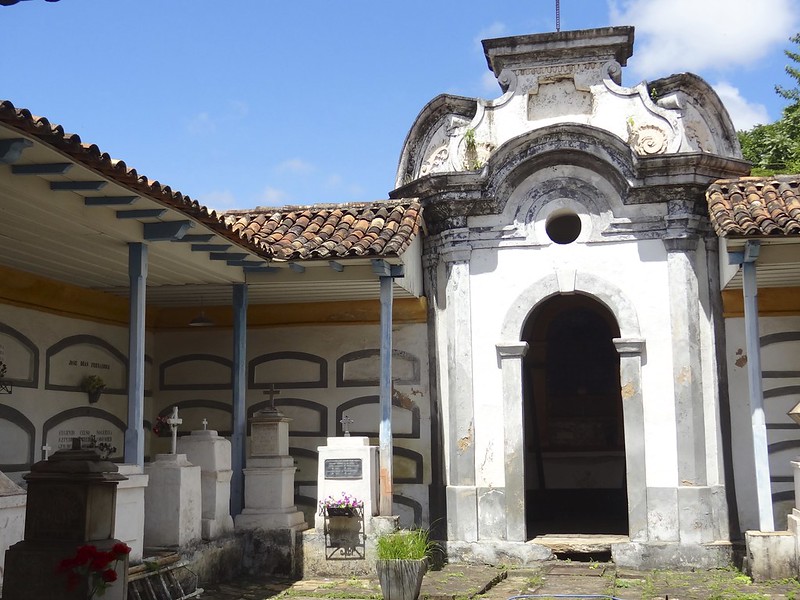
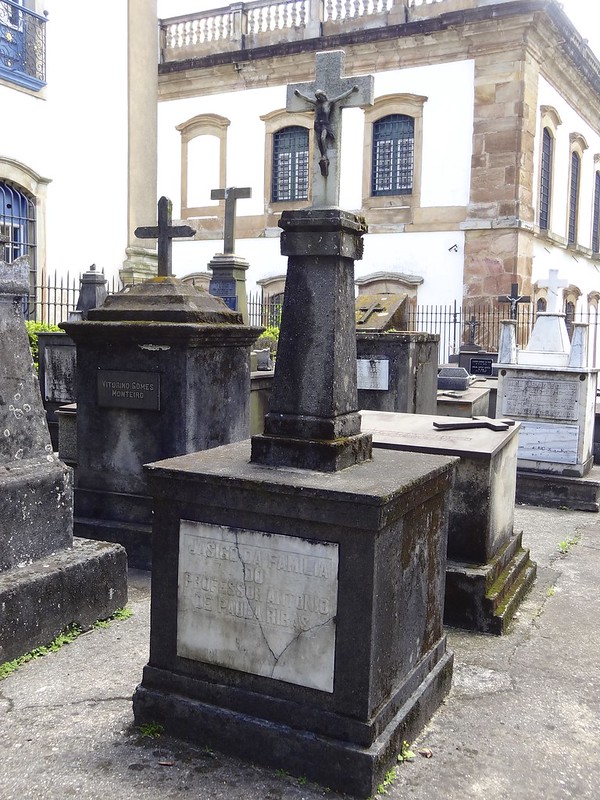
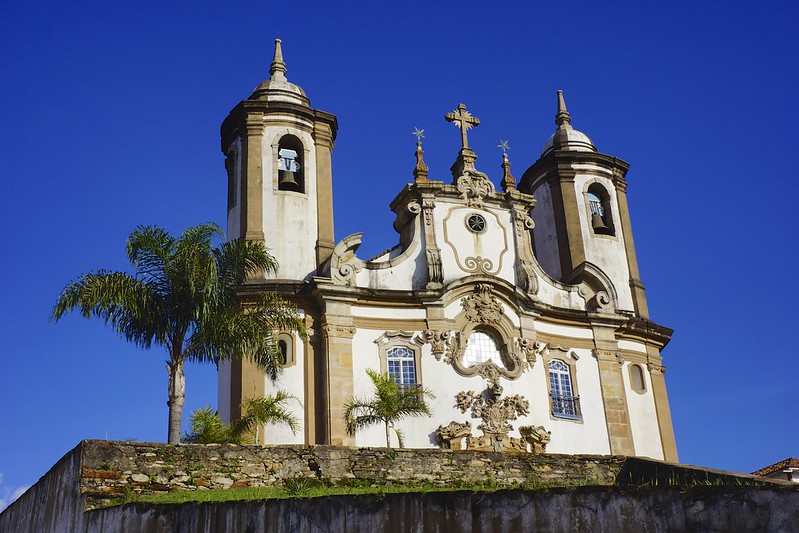
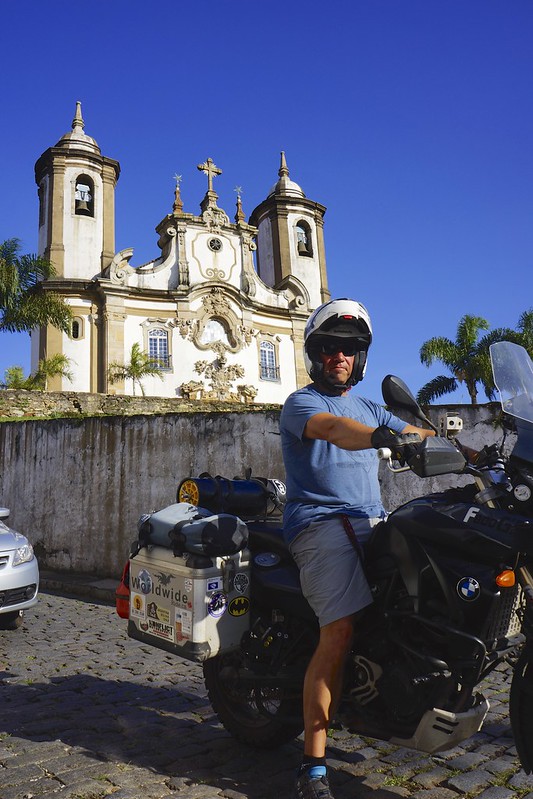
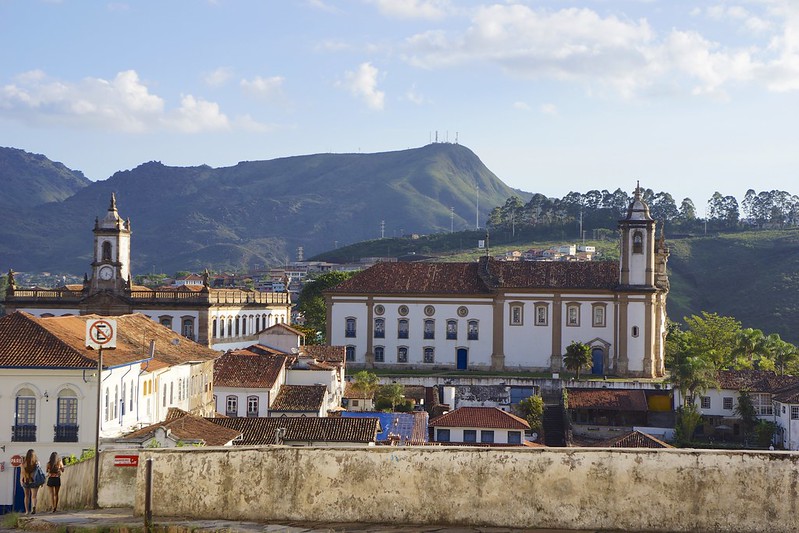
We then rode up to the top of the hill to the ruins of the church there.

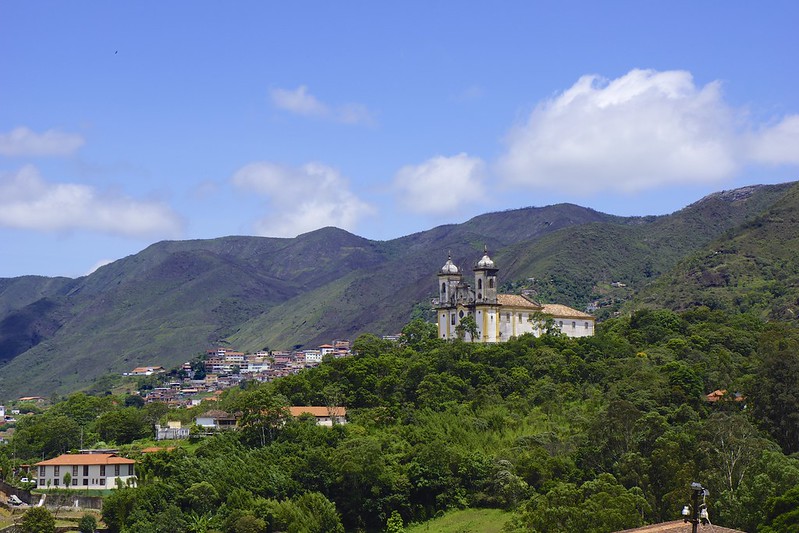

There was a small bar just before you enter the old city and the small square across the street was crammed with tables and people. This was the action spot on a Wednesday night. Here we enjoyed some beer and food and the local style of Karaoke with different guys playing the guitar and singing. The bar is the new gold mine here.

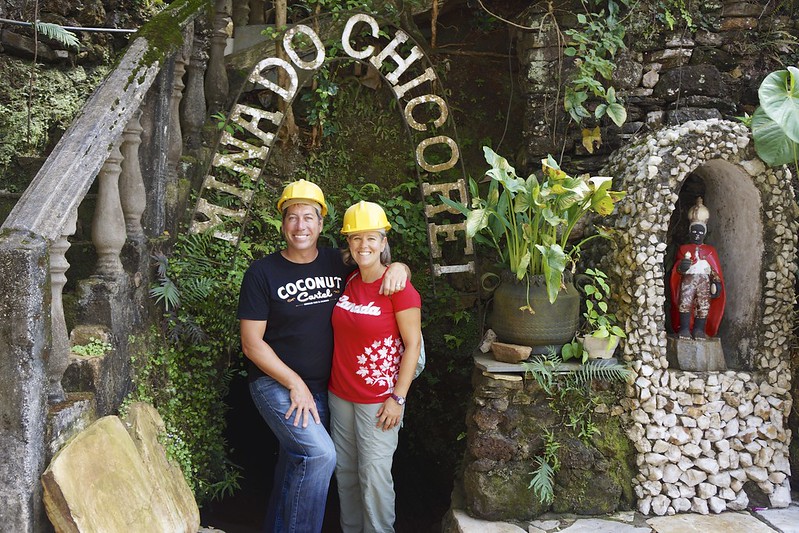
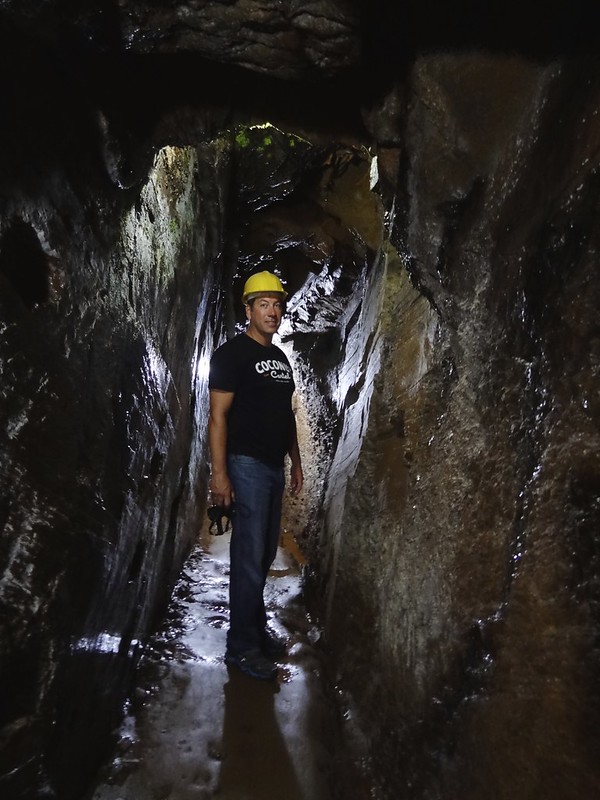
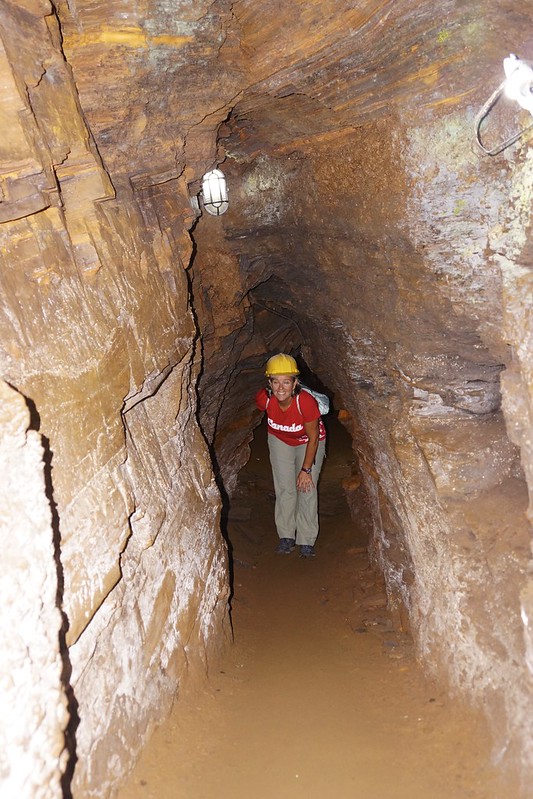
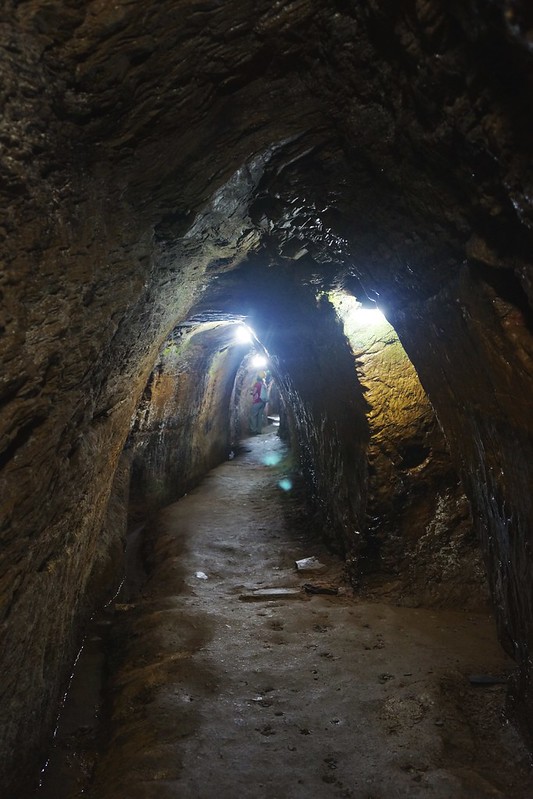
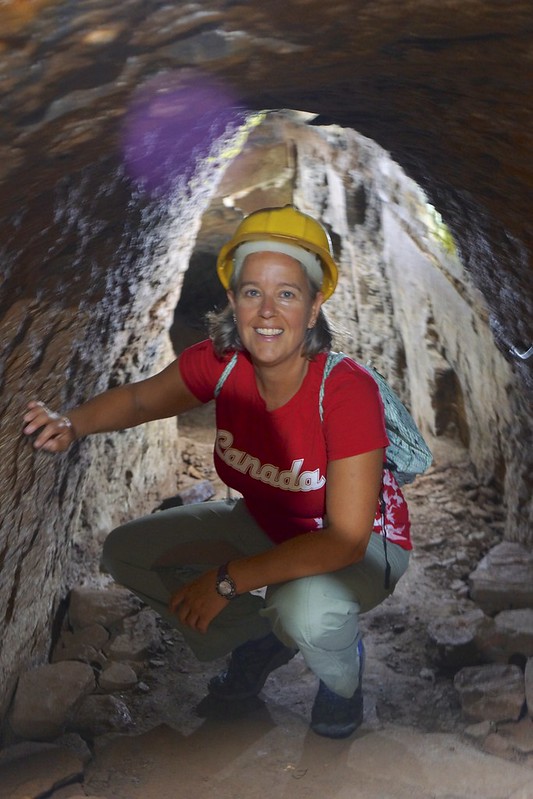
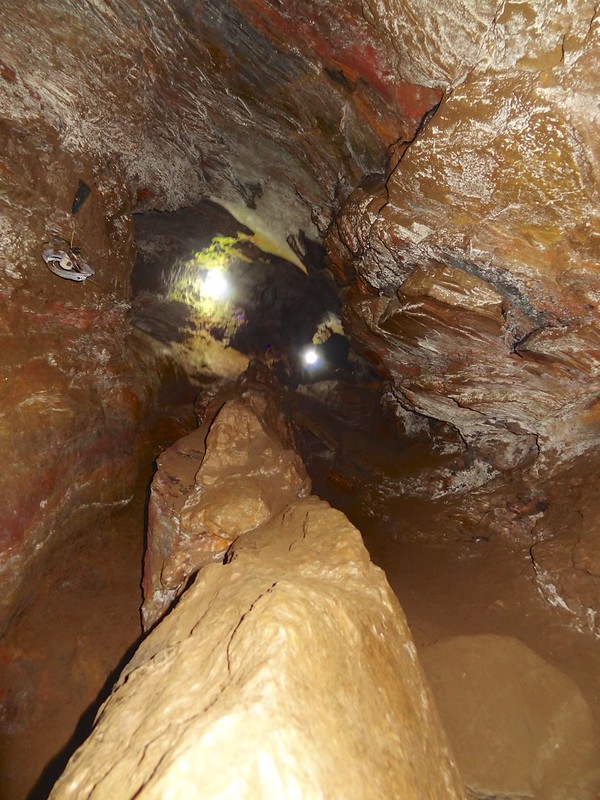
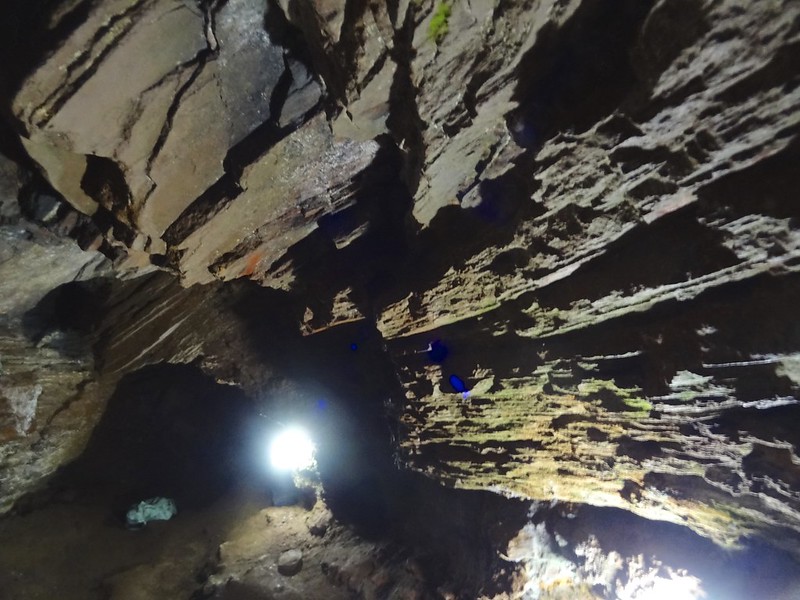
Today we visited on of the old mines. This was about 1.2 km walk, but lucking not all up hill. The Cathedral in under renovation.
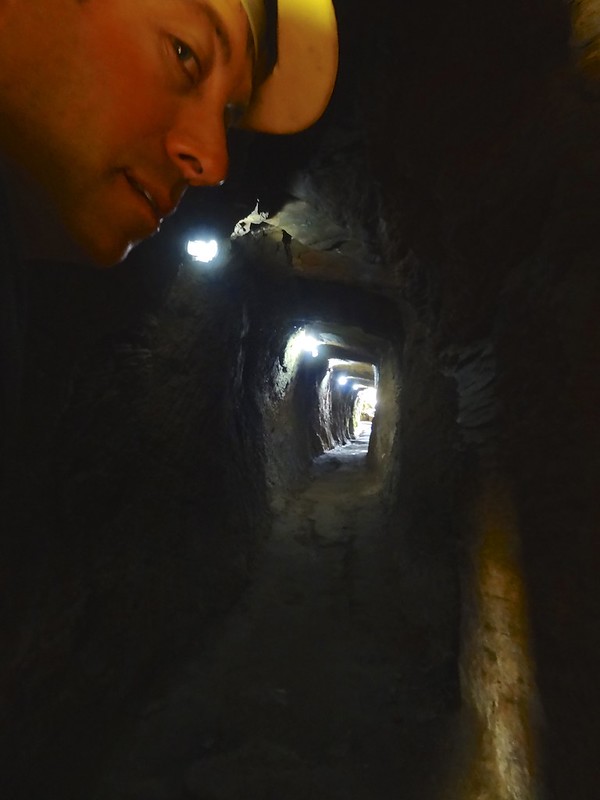
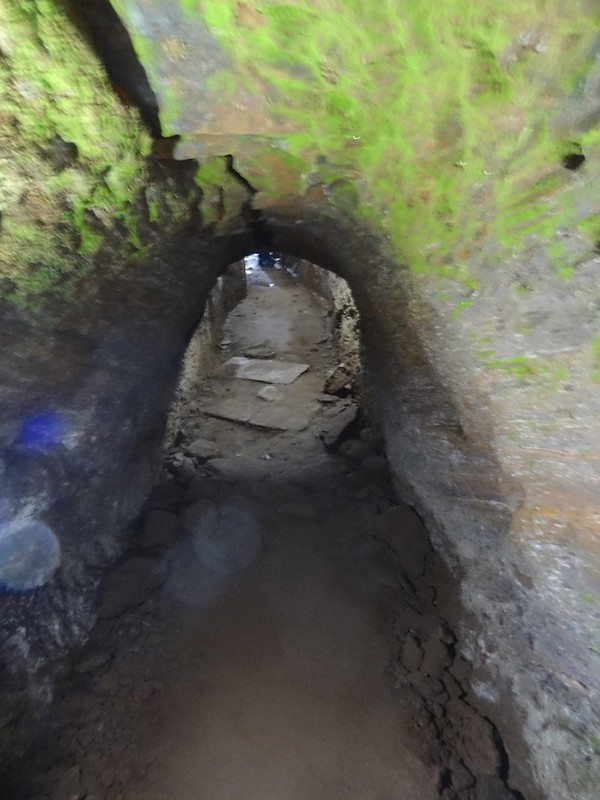
This mine’s tunnels and hand forged. The conditions for working here were unpleasant with the low roofs and the noise must have been incredible. Chico Rei or King Chico was another legendary person in Ouro Preto. The story is that he was an African King that was captured and enslaved to work in the gold mine. He apparently stashed small pieces of gold in his hair and saved enough to buy his own freedom and then the mine itself. He used the profits of the mine to buy the freedom of all the slaves

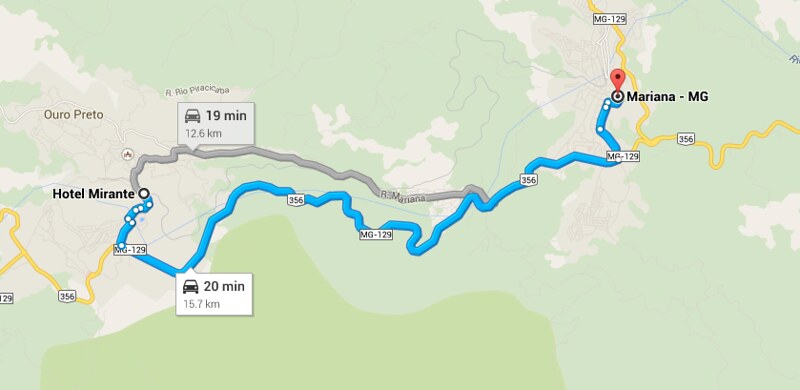
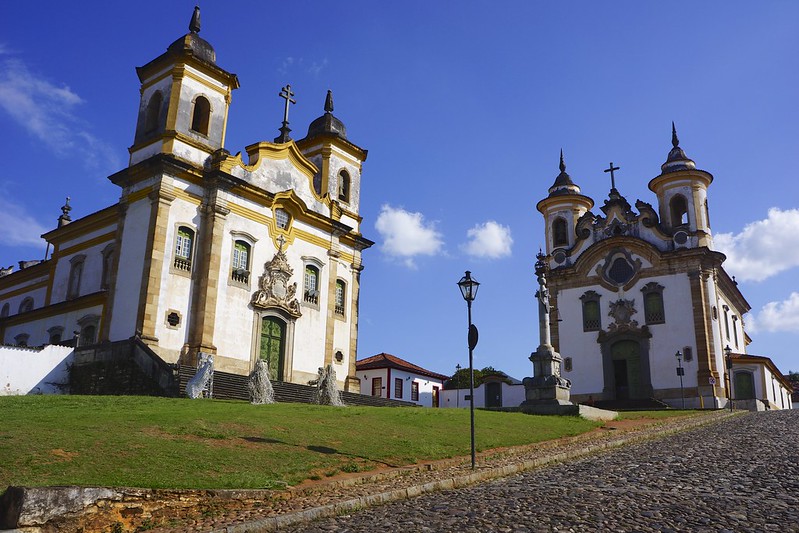
In the afternoon we rode to the nearby town of Mariana, which like Ouro Preto is colonial and there are many churches.
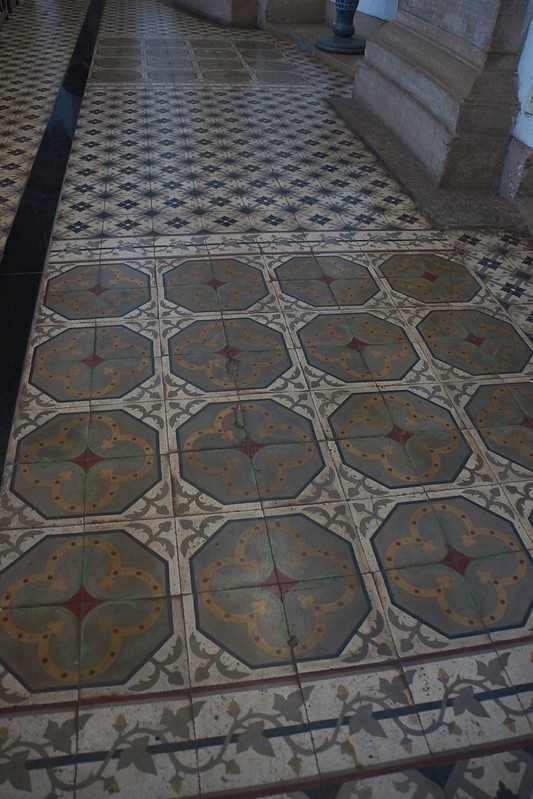
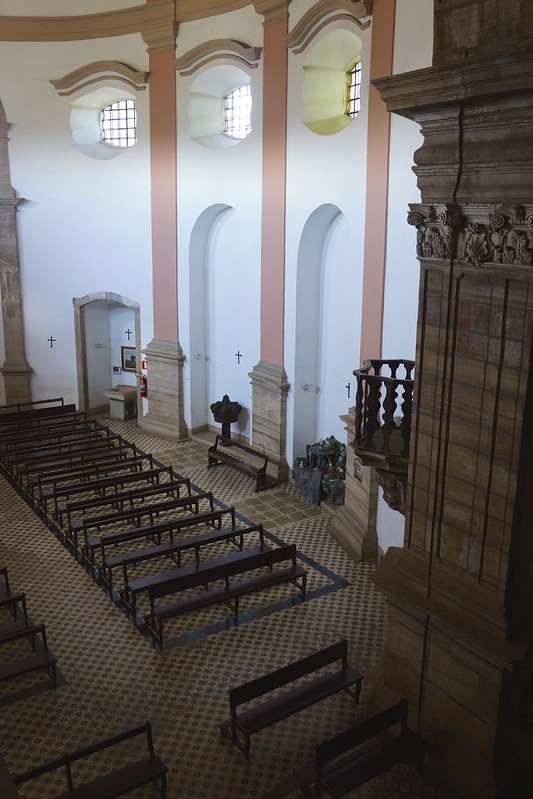
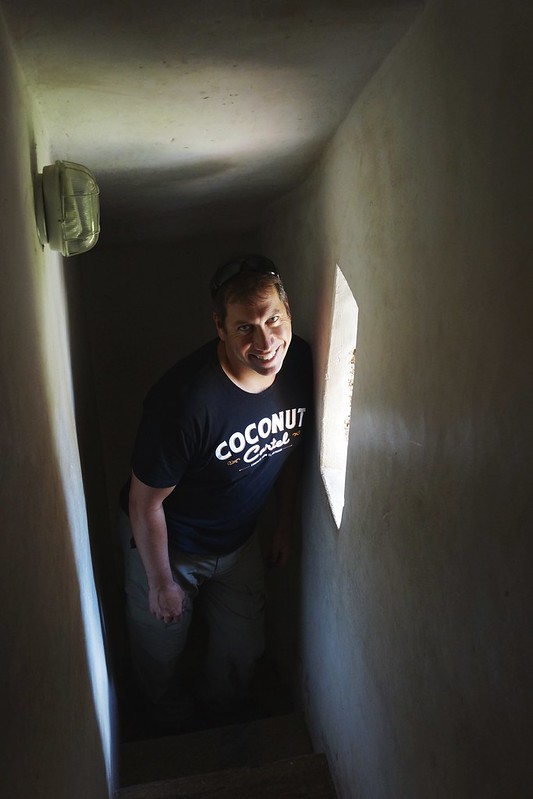
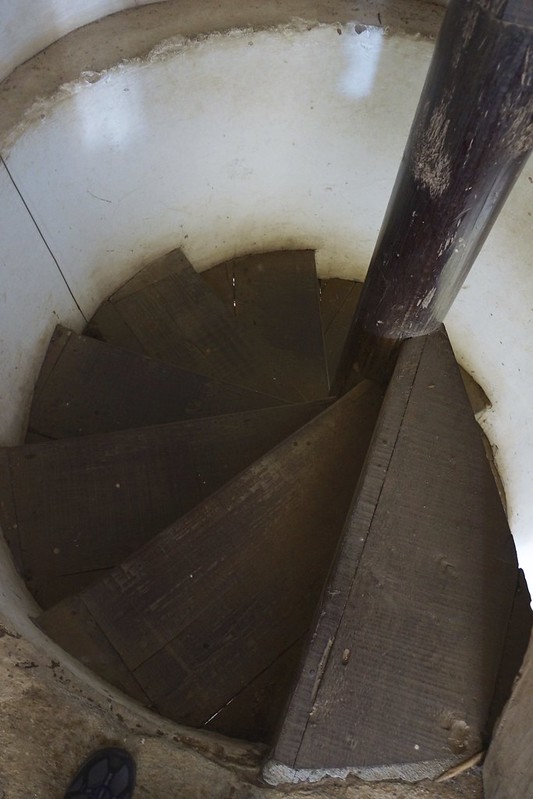
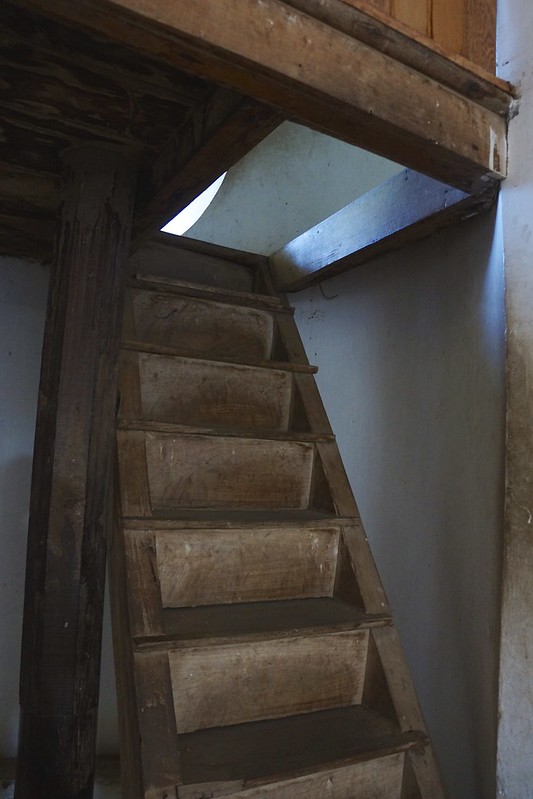
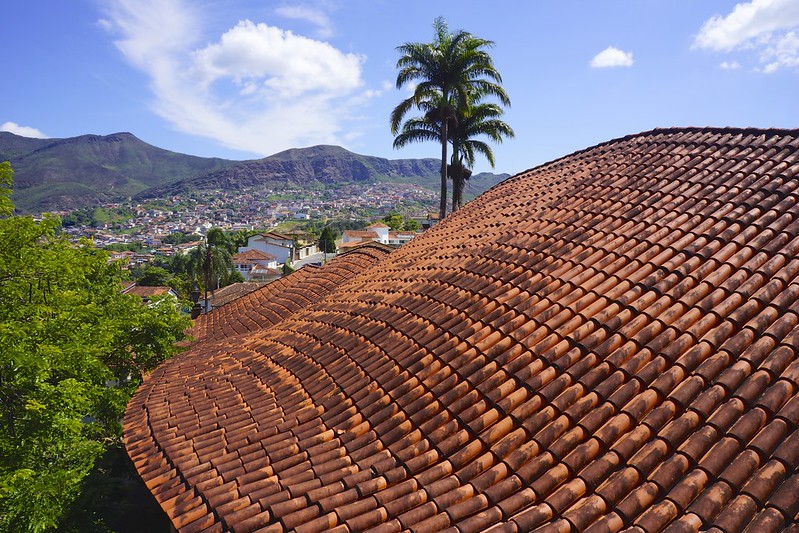
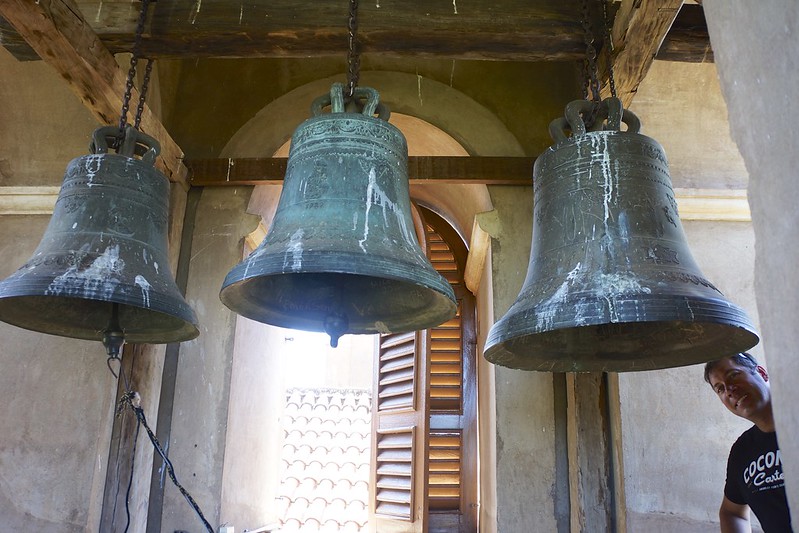
The difference is the lack of tourists. Here also there are steep cobbled streets. You can visit the Cathedral for about a dollar and climb to the bell tower.
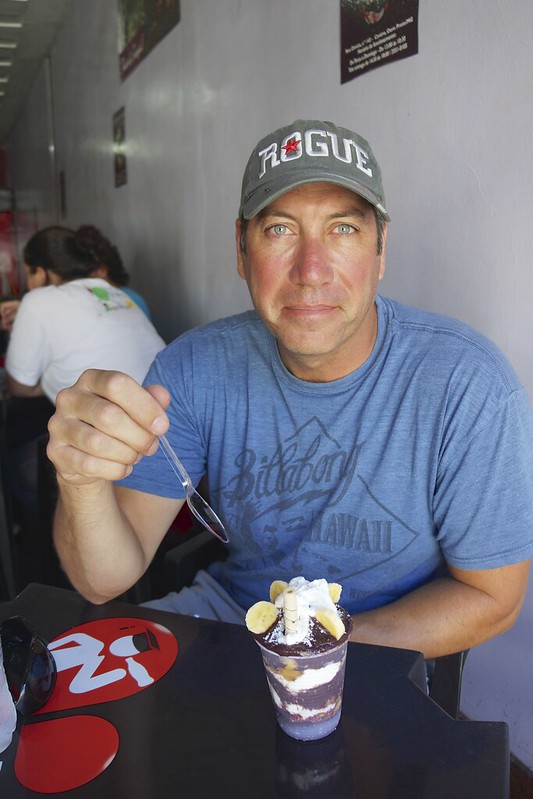
The hot trend in Brazil right now is Acai slush!